Sewage backing up through floor drains
We extract the standing waste, remove saturated materials, disinfect the slab and framing, and run dehumidifiers until the space is dry. Most floor-drain backups are fully remediated in 3 to 5 days.
When a sewer line backs up into your Woodland Hills home, every hour spreads contaminated water further into floors, walls, and ductwork. Our sewage cleanup in Woodland Hills, California crews extract black water, disinfect the affected area, and dry the structure to IICRC S500 standards. We handle toilet backups, main-line overflows, and storm-related sewage intrusion across Warner Center, Walnut Acres, and South of the Boulevard.
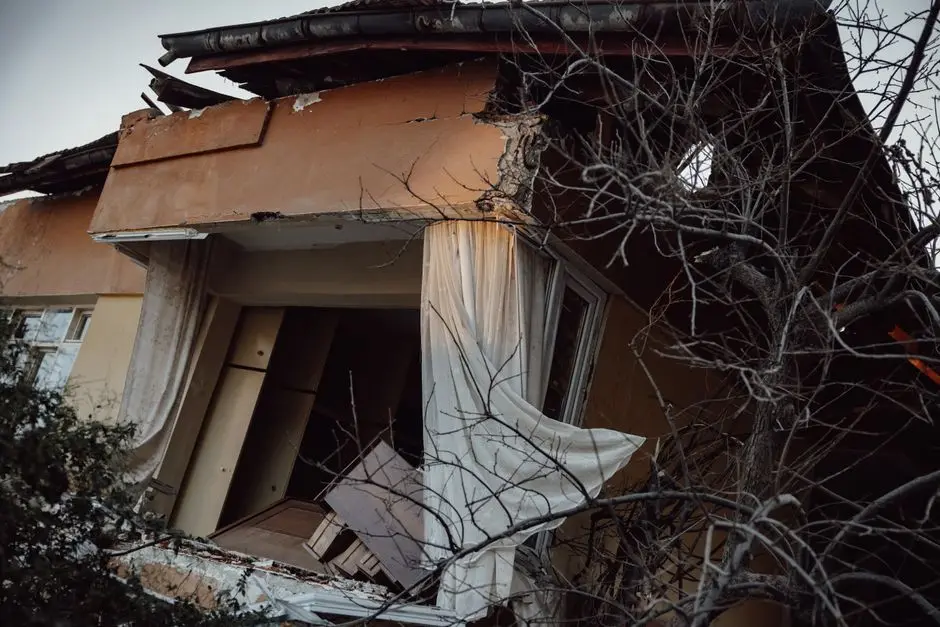
Sewage cleanup in Woodland Hills, California is a Category 3 water remediation process that removes black water, contaminated solids, and pathogens from a structure, then disinfects and dries every affected surface. It is not the same as mopping up a clean-water leak. Sewage carries bacteria, viruses, and parasites that soak into drywall, insulation, subflooring, and baseboards within hours. Our crews extract standing waste with truck-mounted units, remove porous materials that cannot be saved, apply antimicrobial spray, and run dehumidifiers and air movers until moisture readings return to normal.
Most calls we take in Woodland Hills come from one of four scenarios: a main sewer line clog that backs up through a floor drain, a toilet overflow on a second story that drips into the ceiling below, a root-intruded lateral line in older Vanalden and Carlton Terrace homes, or storm flooding that overwhelms a sump pit. If you're searching for sewage cleanup near me Woodland Hills California at 2 a.m., we answer the phone and dispatch. We've run these jobs since 2021, and we know how Woodland Hills plumbing behaves.
Every sewage cleanup job we run includes the core steps below. If your situation requires additional work like mold remediation or structural repair, we'll tell you upfront and provide a separate scope so there are no surprises on the invoice.
Truck-mounted extraction units remove standing sewage and contaminated water from floors, carpets, and low areas. We pull hundreds of gallons per hour, which limits how far contamination spreads into subflooring and wall cavities.
Carpet, pad, baseboards, and saturated drywall that contacted black water are cut out and bagged for proper disposal. Porous materials cannot be safely disinfected, so removal is required by IICRC S500 standards.
We apply EPA-registered antimicrobial spray to all exposed framing, subflooring, and wall cavities. This step kills bacteria and viruses left behind after extraction and helps prevent mold growth during the drying phase.
Commercial dehumidifiers and air movers run for 3 to 5 days, with daily moisture readings logged using a moisture meter and thermal imaging camera. We do not remove equipment until the structure reaches dry standard.
Sewage odor lingers in drywall and framing. We use ozone generators and hydroxyl treatment on finished spaces to neutralize odor at the source, not just mask it. Most customers notice a difference within 24 hours.
We photograph every affected material, log moisture readings daily, and prepare an Xactimate-formatted scope for your carrier. This documentation is what gets claims approved quickly and accurately.
You call (833) 321-7153 and speak to a live dispatcher, not a voicemail. We ask three questions: where the water is coming from, how far it has spread, and whether anyone in the home has health concerns. A crew is rolling within 60 minutes for most Woodland Hills addresses.
On arrival, we shut off the water source if it's still active, kill power to affected rooms at the breaker, and set plastic sheeting barriers. Technicians suit up in PPE before entering. We photograph the scene and take initial moisture readings with a hygrometer and infrared thermometer.
Truck-mounted water extraction units pull standing sewage from floors and carpets. Anything porous that contacted black water, including carpet, pad, baseboards, and saturated drywall up to the flood line, gets cut out and bagged for disposal. This step usually takes 2 to 4 hours for a single room.
We apply antimicrobial spray to all exposed framing, subflooring, and wall cavities, then position air movers and dehumidifiers. A boroscope checks inside wall cavities for hidden moisture. Equipment runs 3 to 5 days, and we monitor readings daily until the structure is dry.
Once moisture content matches dry standard, we remove equipment, do a final odor check, and provide a written drying report. If drywall or flooring needs replacement, we coordinate the repair or hand your contractor a clear scope. Most customers get a certificate of completion for their insurance file.
Purpose-built equipment, used by trained technicians — so the job is done accurately the first time.
Removes hundreds of gallons of standing sewage per hour, far faster than portable units. Speed matters because contamination spreads the longer water sits.
Pull moisture out of the air and materials during the drying phase. We size units based on cubic footage and material class.
Find hidden moisture behind walls and under floors without tearing everything open. We use these to map the affected area and track drying progress.
Inspects inside wall cavities and under subflooring for moisture and contamination that isn't visible from the surface.
Neutralizes sewage odor at the molecular level and captures fine particles during cleanup. We use ozone only in unoccupied spaces.
Kills bacteria and viruses on contact and contains the affected zone so contamination doesn't spread to clean areas of the home.
Measures relative humidity and surface temperatures to confirm drying conditions are correct and equipment is working efficiently.
A ground-floor condo flooded when the building's main line clogged. Sewage covered 400 square feet of laminate flooring and soaked the bottom 12 inches of drywall in two rooms. Odor was strong throughout the unit.
We extracted 60 gallons of waste, removed the laminate and affected drywall, treated framing with antimicrobial, and ran dehumidifiers for four days. Final moisture readings were normal, and the unit passed a follow-up odor check.
A second-floor toilet overflowed overnight and ran into the ceiling below. The downstairs hallway ceiling showed water stains, and moisture had spread into the wall cavity behind the bathroom vanity.
We opened the ceiling, extracted water from both levels, treated the cavity with antimicrobial, and dried the structure over five days. The ceiling was repaired and repainted, and moisture readings confirmed the cavity was dry.
Winter storms overwhelmed the sump pit and flooded a finished basement with 3 inches of groundwater mixed with sewage. Carpet, pad, and the bottom 18 inches of drywall were saturated.
We pumped out standing water, removed carpet and affected drywall, treated framing with antimicrobial, and ran commercial dehumidifiers for five days. The basement was dry and odor-free, and we installed a vapor barrier in the adjacent crawl space.
Sewage backups cause more than a wet floor. Here are the most common problems we see and how we fix them.
Ask a pro →We extract the standing waste, remove saturated materials, disinfect the slab and framing, and run dehumidifiers until the space is dry. Most floor-drain backups are fully remediated in 3 to 5 days.
We open the ceiling, extract water from both levels, treat the cavity with antimicrobial, and dry the structure. We also repair the ceiling drywall once moisture readings confirm the cavity is dry.
We handle the cleanup and disinfection, then refer you to a licensed plumber to camera the line and repair or replace the damaged section. Fixing the pipe stops the cycle.
We pump out standing water, remove contaminated insulation and materials, treat framing with antimicrobial, and install vapor barrier in crawl spaces to prevent future moisture problems.
Most residential sewage cleanup jobs in Woodland Hills run $1,200 to $4,500 in 2026, depending on square footage affected and how much material must be removed. A single toilet backup contained to one bathroom typically lands at the low end. A main-line backup that floods multiple rooms or a finished basement pushes toward the high end. Insurance usually covers the bulk of the cost.
Yes. Sewage is classified as Category 3 black water by the IICRC, meaning it contains bacteria, viruses, and parasites that cause serious illness. Direct contact, inhalation of aerosolized droplets, and cross-contamination through HVAC systems are all real risks. That is why we require PPE, containment, and antimicrobial treatment on every sewage job, and why we recommend you stay out of affected rooms until we clear them.
We extract standing waste with truck-mounted units, remove all porous materials that contacted black water, apply EPA-registered antimicrobial spray to framing and subflooring, then run dehumidifiers and air movers for 3 to 5 days. A boroscope checks inside wall cavities. Final moisture readings confirm the structure is dry before we remove equipment and issue a completion report.
In most cases, yes. Homeowner policies typically cover sudden and accidental sewage backups, though many require a sewer backup endorsement. We document every affected material with photos and moisture logs, submit an Xactimate scope to your carrier, and bill them directly. You are usually responsible only for your deductible. We can also provide a standalone estimate if you prefer to file yourself.
 flood restoration servicesWhen storm flooding pushes water into a Woodland Hills home, we handle full flood restoration from extraction through structural drying. Sewage-contaminated floodwater gets the same Category 3 treatment as a sewer backup.Explore →
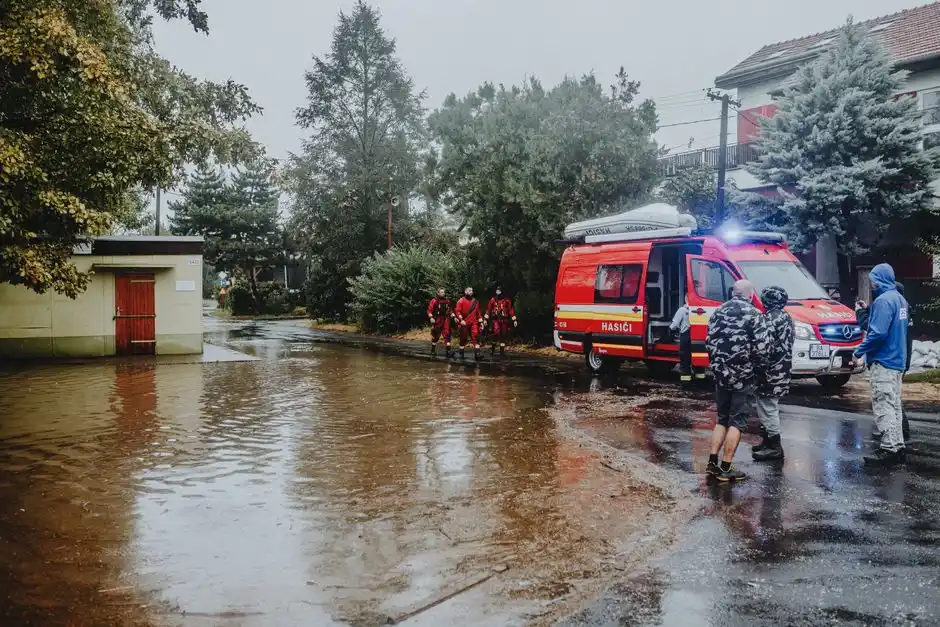 emergency water removalStanding water spreads fast. Our emergency water removal crews pull hundreds of gallons per hour with truck-mounted extraction units, stopping the damage from reaching subflooring and wall cavities.Explore →
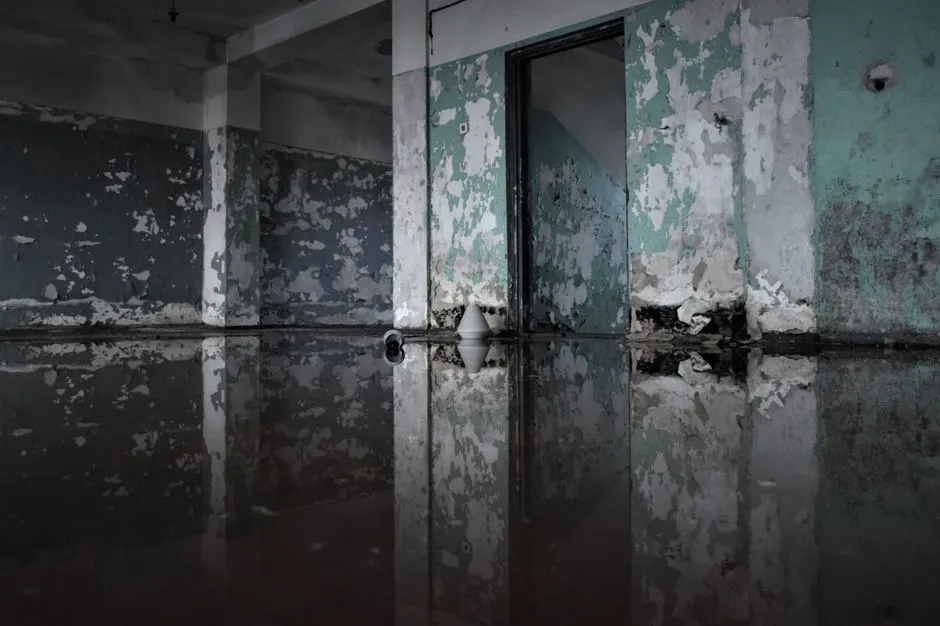 mold remediation after water damageSewage backups create ideal mold conditions. If mold growth appears within 24 to 48 hours, we handle remediation with containment, HEPA filtration, and antimicrobial treatment before rebuilding.Explore →
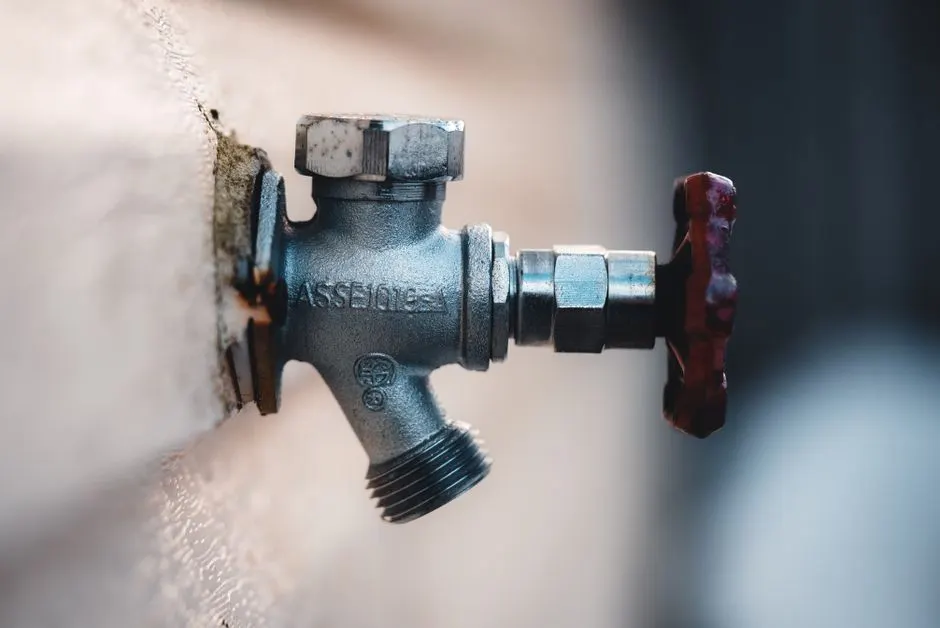 water leak restorationSlow leaks from supply lines and slab leaks often go unnoticed until damage is significant. We locate the source, dry the structure, and restore materials affected by the leak.Explore →
 emergency water cleanupWhether it's a burst pipe at 2 a.m. or an appliance failure, our emergency water cleanup team responds 24/7 across Woodland Hills with extraction and drying equipment.Explore →
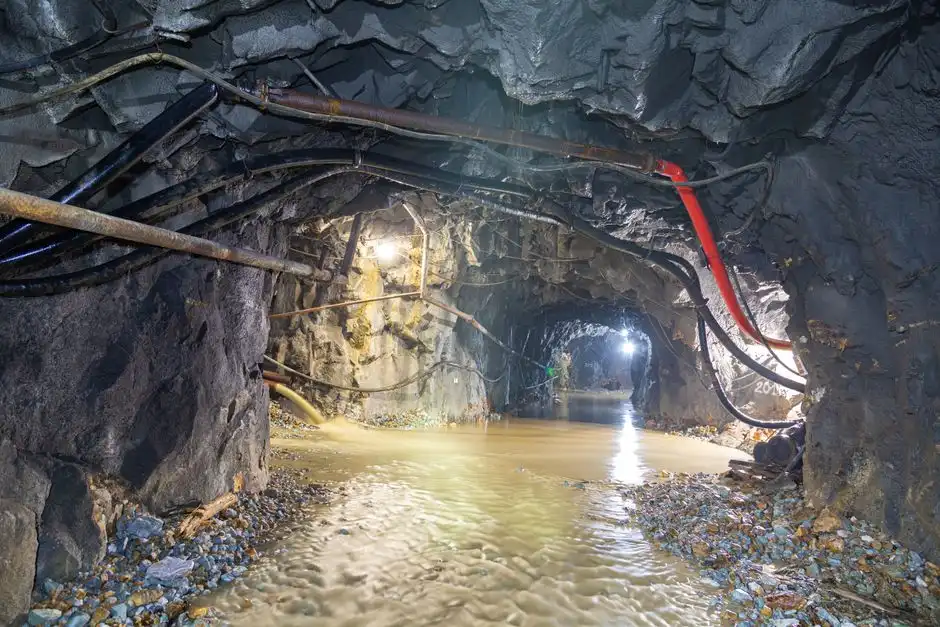 water extractionTruck-mounted water extraction is the first step in any sewage or flood job. We remove standing water quickly to limit how far contamination spreads into your home.Explore →
 water damage mitigationMitigation means stopping the damage from getting worse. We contain the affected area, remove contaminated materials, and start drying before secondary damage sets in.Explore →
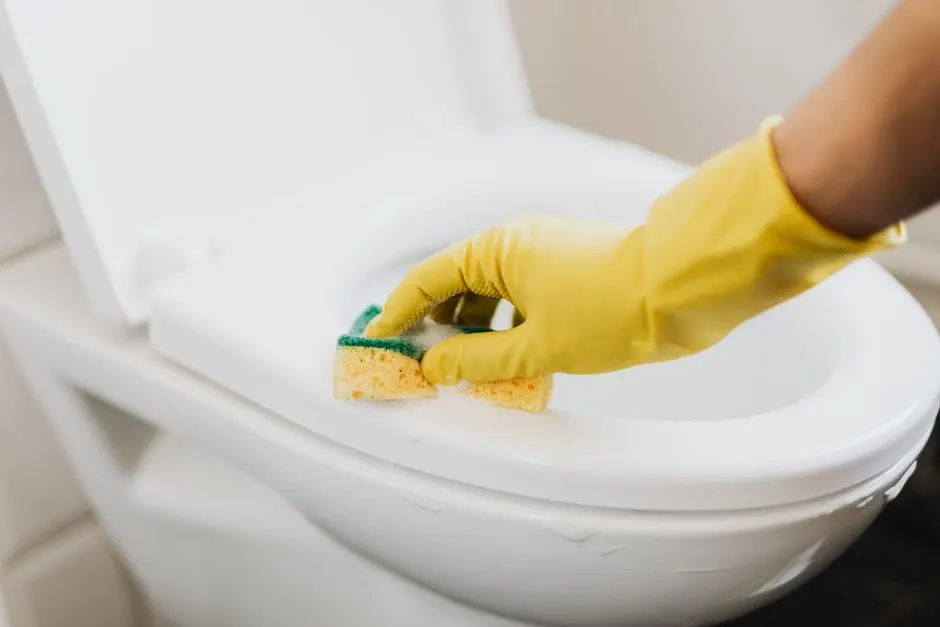 toilet overflow cleanupA toilet overflow is one of the most common sewage calls we take in Woodland Hills. We extract, disinfect, and dry bathrooms, hallways, and any rooms below the overflow.Explore →
Our line is answered 24/7 by a live dispatcher. We serve all of Woodland Hills and the surrounding San Fernando Valley, and we can usually have a crew on-site within an hour. Call (833) 321-7153 and we'll walk you through what to do while you wait.
Call now (833) 321-7153 →If you have water where it should not be, call us at (833) 321-7153. We answer 24/7 and our average response time in Woodland Hills is 60 to 90 minutes. You can also email us at info@waterdamagerestorationwoodlandhills.com or stop by our office on Ventura Boulevard. We are here to help.