Musty smell with no visible water
We trace the moisture with a thermal imaging camera and boroscope, find the actual source, then contain and remove the affected materials. You get a floor plan showing exactly where the problem was.
Mold remediation after water damage in Woodland Hills, California starts within hours, not weeks, because spores double roughly every 24 to 48 hours in a damp wall cavity. We handle mold removal in Woodland Hills for homeowners, landlords and property managers across Warner Center, Walnut Acres and South of the Boulevard. One call, one crew, one clean result.
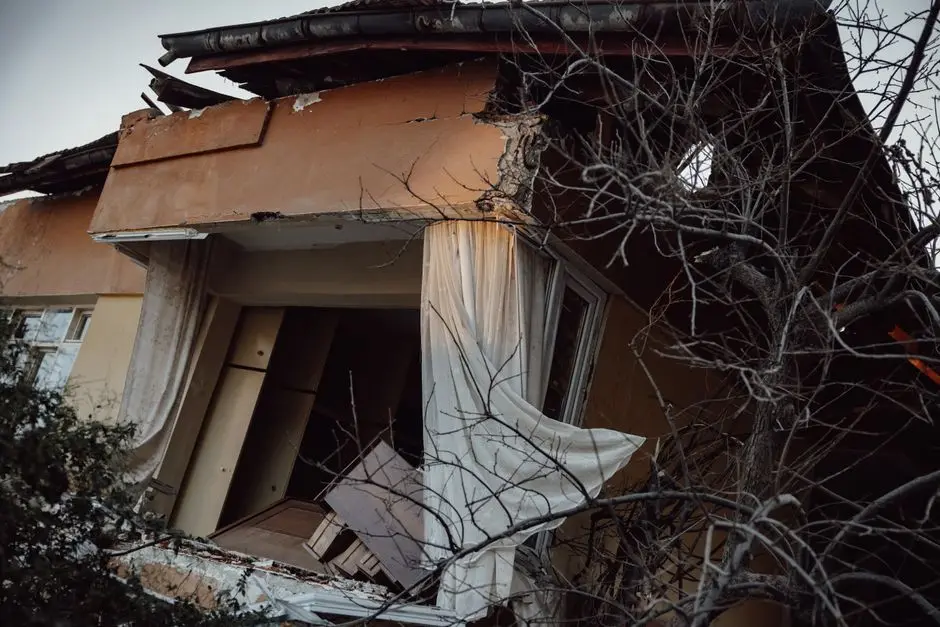
Mold remediation after water damage in Woodland Hills, California is the containment, removal and drying process that eliminates active mold growth inside a building after a leak, flood or burst pipe. It is not wiping a wall with bleach. We set plastic sheeting and negative air pressure, pull saturated drywall and insulation, HEPA vacuum the surfaces, then apply an EPA-registered antimicrobial spray before rebuilding. Every job follows ANSI/IICRC S500 and S520 standards.
Woodland Hills homes sit in a warm, dry valley climate, but that works against you after a slab leak or pipe burst. Water hides under subflooring and behind baseboards, and the interior stays humid enough for mold growth to start in about 48 hours. We run a moisture meter and thermal imaging camera on every call, so you get a real answer instead of a guess. If you have been searching for mold remediation after water damage near me Woodland Hills California, that is exactly the call we take.
Every job starts with inspection and containment and ends with a documented dry standard. Structural rebuild is part of the scope on most calls, and we tell you upfront which items your insurance is likely to cover versus which you are paying directly.
We use a moisture meter, hygrometer, infrared thermometer and thermal imaging camera to map every wet zone, including behind baseboards and inside the crawl space with a boroscope. You get a floor plan with the affected areas marked.
Plastic sheeting and negative air pressure isolate the work zone. A HEPA air scrubber runs continuously so spores do not migrate into clean rooms or the HVAC return during removal.
Moldy drywall, insulation, baseboards and subflooring come out and go into sealed bags. Porous materials cannot be cleaned, so they leave the house rather than getting sprayed and covered up.
After HEPA vacuuming the framing, we apply an EPA-registered antimicrobial spray to the studs, sheathing and subflooring. This is the step that stops regrowth on the surfaces that stay in place.
Air movers and dehumidifiers run 3 to 5 days with readings logged twice daily against the IICRC S500 drying curve. We do not rebuild until the framing matches a dry reference sample.
New drywall, insulation and baseboards go back in, taped and finished to match the surrounding rooms. One crew handles it, so you are not coordinating a second contractor after remediation ends.
You call (833) 321-7153 and describe what happened. We ask about the source, the square footage and whether the water was clean or contaminated. A crew is dispatched the same day, and for sewage backup or storm flooding we roll 24/7.
On arrival we walk the affected rooms with a moisture meter, hygrometer and thermal imaging camera. We check the crawl space with a boroscope and tag every wet zone on a floor plan. This takes 30 to 60 minutes and tells us exactly how far the water traveled.
We set plastic sheeting and negative air pressure, then pull standing water with a water extraction unit. Saturated carpet, pad and baseboards come out. This is the stage that keeps mold growth from spreading into clean rooms.
We cut out moldy drywall and insulation, HEPA vacuum the framing, then apply antimicrobial spray to the studs and subflooring. Porous materials that cannot be cleaned go into sealed bags and out of the house.
Air movers and dehumidifiers run 3 to 5 days while we log readings daily. We do not close the job until moisture content matches a dry reference sample and the cavity passes a visual clearance check. Then we rebuild.
Purpose-built equipment, used by trained technicians — so the job is done accurately the first time.
Reveals temperature differences behind drywall and under flooring so we can find hidden moisture without tearing out every wall.
Gives us actual moisture content readings in framing and drywall, which we log daily against the dry standard.
Lets us look inside wall cavities and crawl spaces without a full demolition, so we can confirm mold growth before cutting.
Move air across wet surfaces to speed evaporation. We size the count to the square footage, not a fixed number.
Pull moisture out of the air so wet materials can actually dry. Desiccant units handle cooler crawl spaces better.
Captures mold spores from framing and surfaces during removal so they do not become airborne in the rest of the house.
Neutralizes musty odors left behind after removal and treatment, typically run in an empty contained room.
A refrigerator supply line failed and ran behind the cabinet base for six days before the homeowner noticed a musty smell. Drywall, insulation and the cabinet base were saturated, with visible mold growth along the toe kick.
We removed the affected drywall and cabinet base, HEPA vacuumed the framing, applied antimicrobial spray and dried the cavity for four days. Moisture content dropped from 28 percent to 11 percent, matching the dry reference sample.
A roof leak during a February storm soaked attic insulation and decking. Within a week, black mold was spreading along the sheathing. The homeowner noticed a musty smell in an upstairs bedroom.
We contained the attic under negative pressure, removed the affected sheathing and insulation, treated the joists and dried the space for five days. Clearance check passed with no visible growth remaining.
An older Walnut Acres home had no vapor barrier and standing humidity in the crawl space. Mold was showing on interior walls upstairs while the actual moisture source sat under the floor.
We installed a 6-mil vapor barrier, dried the crawl space to standard and treated the joists with antimicrobial spray. Relative humidity in the crawl space dropped from 78 percent to 52 percent.
Most mold calls start with water you did not see. Here are the four situations we run into most often in Woodland Hills homes.
Ask a pro →We trace the moisture with a thermal imaging camera and boroscope, find the actual source, then contain and remove the affected materials. You get a floor plan showing exactly where the problem was.
We locate the leak, extract standing water, remove saturated subflooring and baseboards, HEPA vacuum the slab and treat the framing. Drying runs until the slab reads dry on a moisture meter.
We trace the source, open the ceiling cavity, dry the joists and treat any mold growth before patching. The stain does not come back because the water source is fixed first.
We install a vapor barrier, dry the crawl space to standard and treat the joists. That cuts the moisture source feeding the upstairs growth instead of just cleaning the visible mold.
Most residential jobs run $1,200 to $6,500 in 2026, with the average single-room post-leak job around $2,400. Price depends on square footage affected, how much drywall and insulation has to come out, and whether the crawl space is involved. We inspect first and quote the scope before any work starts.
Removal itself usually takes one to two days for a single room. The full job, including drying and clearance, runs 4 to 7 days because we will not rebuild until the framing hits dry standard. Larger jobs involving a crawl space or multiple rooms can run 8 to 10 days.
It can, but only if the moisture source returns. Mold needs water, so a repaired slab leak or a properly dried wall cavity stays clean. We fix the source, dry to standard and treat the framing with antimicrobial spray. If a new leak starts, mold returns within about 48 hours.
Usually yes when the mold came from a sudden covered event like a pipe burst or appliance leak. Long-term seepage that was never addressed is often excluded. We document everything in Xactimate format and work directly with your adjuster so the claim moves.
 flood restoration servicesStorm flooding and roof leak water pushes into wall cavities fast. We extract, dry and then handle mold remediation after water damage in Woodland Hills before the framing stays wet long enough to grow mold.Explore →
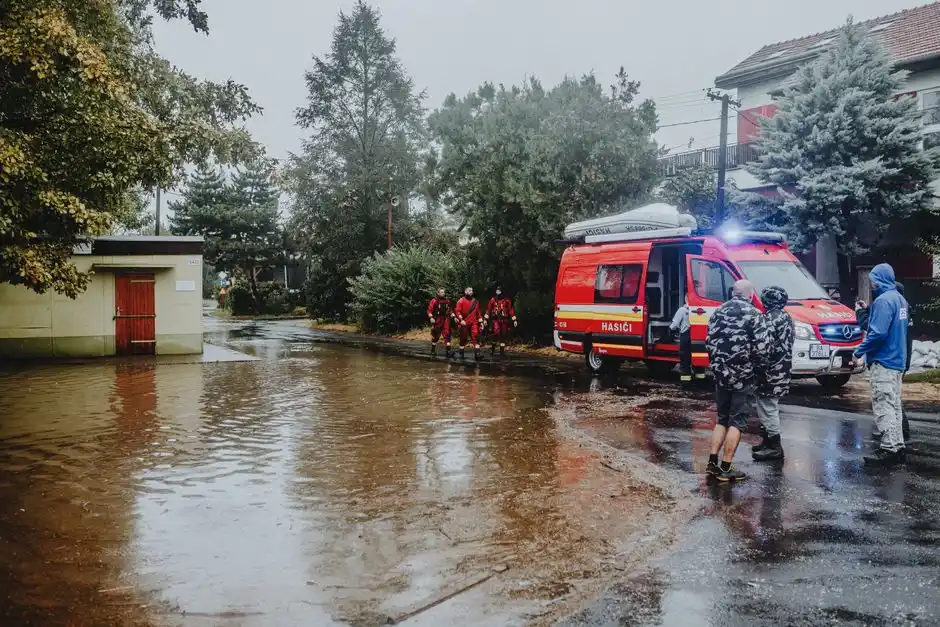 emergency water removalStanding water is the clock. Our emergency water removal pulls it out the same day, which is the single biggest factor in whether you need full mold remediation after water damage in Woodland Hills or just a drying pass.Explore →
 water leak restorationSlab leaks and pipe bursts hide behind drywall and under subflooring. We locate the leak, dry the structure and treat any mold growth before it spreads into adjacent rooms.Explore →
 emergency water cleanupAppliance leaks and toilet overflows leave contaminated water behind. We clean, sanitize and dry, then check the cavity for mold growth so a small spill does not become a remediation job.Explore →
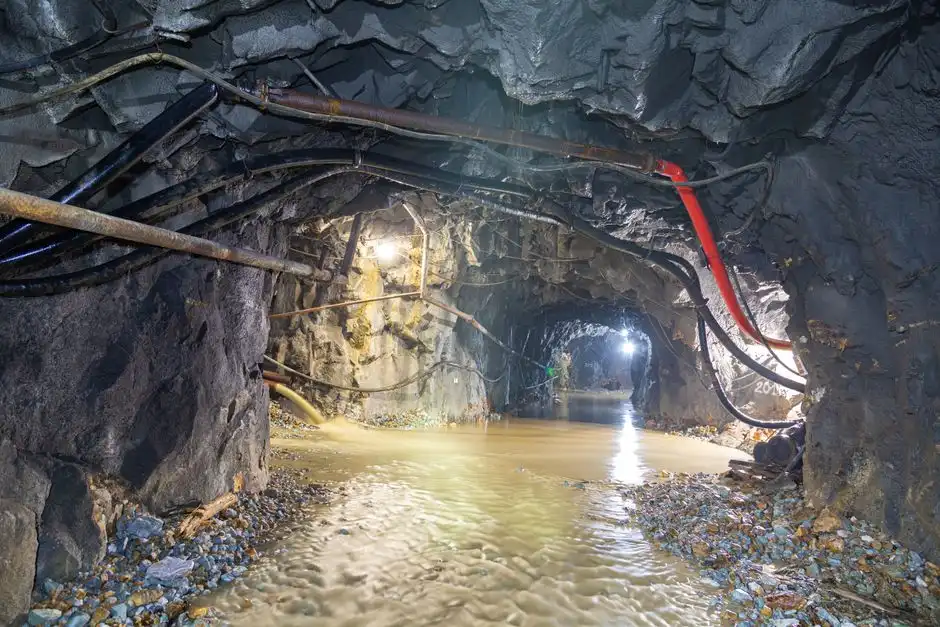 water extractionOur water extraction unit pulls hundreds of gallons from carpet, pad and subflooring. Fast extraction shortens drying time and cuts the odds of mold growth taking hold in the first place.Explore →
 water damage mitigationMitigation is the work that prevents mold. We stop the source, contain the area and start drying within hours so the 48-hour mold window never opens.Explore →
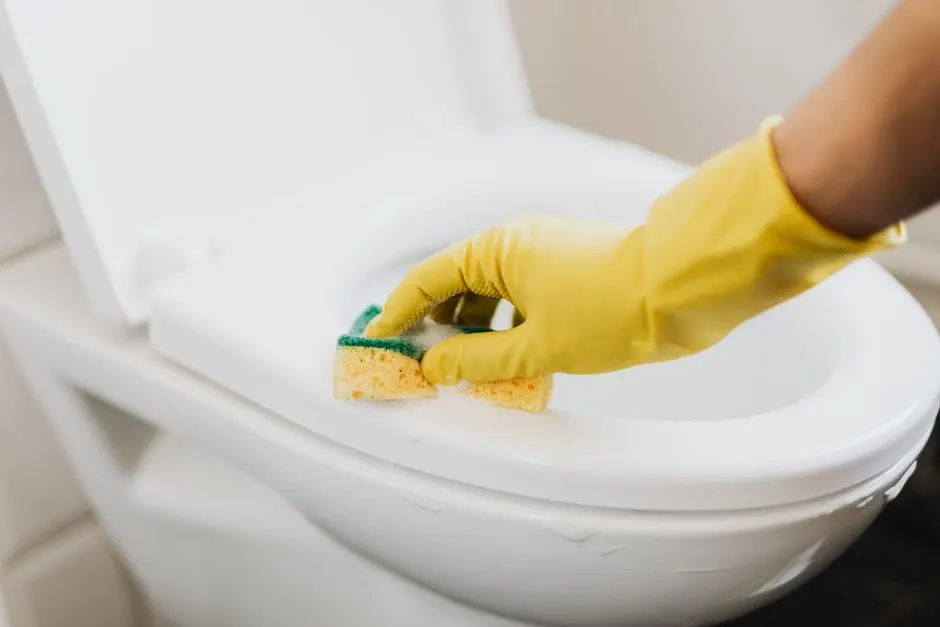 toilet overflow cleanupCategory 3 water from a toilet overflow carries bacteria and needs full removal of porous materials. We handle the cleanup and check the subfloor for hidden mold growth.Explore →
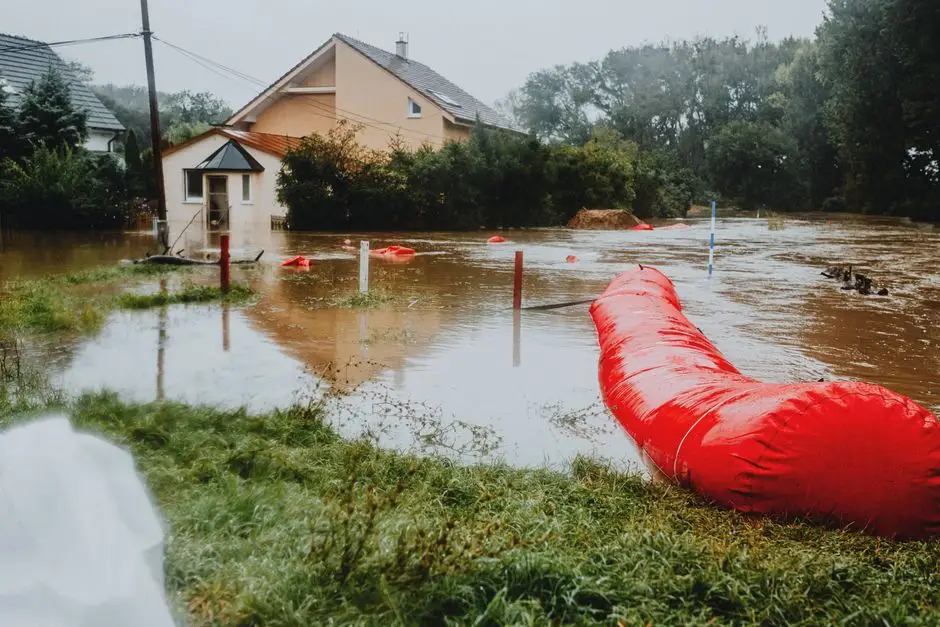 basement flood cleanupBasements and below-grade rooms hold moisture longer than any other space. We extract, dry and treat the walls, then verify with a moisture meter before closing the job.Explore →
Licensed, insured and IICRC-certified, with same-day dispatch and 24/7 response for sewage backup and storm flooding. Call (833) 321-7153 and we will inspect, quote the scope and start drying before mold gets a second day.
Call Now (833) 321-7153 →If you have water where it should not be, call us at (833) 321-7153. We answer 24/7 and our average response time in Woodland Hills is 60 to 90 minutes. You can also email us at info@waterdamagerestorationwoodlandhills.com or stop by our office on Ventura Boulevard. We are here to help.