Brown water stain spreading across the ceiling
We trace the wet zone with a moisture meter and thermal imaging camera, dry the cavity, treat with antimicrobial spray, and refinish the ceiling. Most stains are gone within 3 to 5 days.
Ceiling water damage repair in Woodland Hills, California starts with finding the source, not painting over the stain. We handle ceiling leak repair Woodland Hills homeowners call about at 2 a.m. - burst pipes, roof leaks, and appliance failures in Warner Center, Walnut Acres, and South of the Boulevard. We dry the cavity, treat for mold, and rebuild the drywall so the ceiling holds.

Ceiling water damage repair in Woodland Hills, California is the process of locating the moisture source, drying the ceiling cavity, treating for mold, and restoring the drywall, texture, and paint. A moisture meter and thermal imaging camera tell us where water traveled - because water rarely stays where the stain shows. We map the wet zone, set air movers and a dehumidifier, and document everything with readings that meet the ANSI/IICRC S500 standard.
Woodland Hills homes face specific risks: 1960s and 70s ranch houses with original copper supply lines, hillside properties along the Mulholland Drive Corridor where roof leaks follow winter storms, and condo stacks in Warner Center where an upstairs toilet overflow becomes your ceiling problem. If you search for ceiling water damage repair near me Woodland Hills California after a storm, we are typically on-site within 60 to 90 minutes, 24/7.
Every ceiling water damage repair job we run includes the full scope from source detection through final paint. We do not sub out the drying or the rebuild, so you deal with one crew and one invoice. Here is what is covered on a standard residential job.
We use a moisture meter, thermal imaging camera, and infrared thermometer to find the leak and map the full wet zone. This is the step most companies skip, and it is the reason stains come back.
Standing water comes out with a water extraction unit. We set Dri-Eaz or Phoenix air movers and a desiccant dehumidifier, then check readings daily until the cavity reads under 15% moisture content.
We apply antimicrobial spray to framing, joists, and the back of the drywall. If mold is already present, we escalate to full remediation with HEPA vacuuming and clearance testing.
Unsalvageable drywall comes out, new drywall goes up, and we match the existing texture and paint. Most ceilings are back to looking untouched within 48 hours of the dry-out being complete.
We photograph every affected area, log daily moisture readings, and build an Xactimate-compatible scope. We bill most major California carriers directly so you are not fronting the full cost.
You call, we ask three questions: where is the stain, when did it appear, and is water still dripping. We dispatch a tech with a moisture meter, thermal imaging camera, and plastic sheeting to contain the area. Typical arrival in Woodland Hills is 60 to 90 minutes.
We find the leak - pipe burst, roof leak, appliance leak, or slab leak pushing up through a wall. Then we map the wet zone with a hygrometer and infrared thermometer. You get a written scope the same day, usually within 2 hours of arrival.
Standing water comes out with a water extraction unit. We set Dri-Eaz or Phoenix Restoration Equipment air movers and a desiccant dehumidifier, then check readings daily. Ceiling cavities typically dry in 3 to 5 days.
Once moisture reads under 15%, we treat with antimicrobial spray, cut out unsalvageable drywall, and rebuild. Texture match, primer, and paint are included. We use a boroscope to verify the cavity is clean before closing it up.
We take final moisture readings, photograph the finished ceiling, and walk you through the work. If your insurance carrier needs a closure letter, we provide one. Workmanship is warrantied, and we answer callbacks within 24 hours.
Purpose-built equipment, used by trained technicians — so the job is done accurately the first time.
Pin and pinless meters measure moisture content in drywall, framing, and insulation. We log readings daily to confirm the cavity is drying at the expected rate.
Infrared scanning reveals the full wet zone behind the ceiling surface - often 3 to 4 times larger than the visible stain. This is how we avoid missing hidden moisture.
High-velocity air movers evaporate moisture from the ceiling cavity. We position them based on the wet-zone map, not guesswork, and adjust daily.
Pulls moisture out of the air so the cavity can keep drying. Critical in Woodland Hills humidity, where ambient moisture slows evaporation without mechanical help.
The boroscope lets us inspect inside the ceiling cavity without cutting large holes. The infrared thermometer confirms surface temperature differentials that indicate hidden moisture.
Truck-mounted extraction pulls standing water from ceiling cavities, subflooring, and carpet before drying begins. Faster extraction means shorter dry times.
Used when mold is present. HEPA vacuuming removes spores from surfaces, and ozone treatment neutralizes odors in the cavity before reconstruction.
Upstairs neighbor's toilet overflowed overnight. The downstairs ceiling had a 4-foot sagging section, soaked insulation, and visible mold starting at the drywall seams. The owner had been out of town for three days before anyone noticed.
We extracted standing water, removed the sagging drywall, dried the cavity for four days to under 12% moisture content, treated with antimicrobial spray, and rebuilt the ceiling with matched texture and paint. Total job: 6 days. Insurance covered the full scope.
A January storm drove water under the roof flashing and stained a 6-square-foot section of the living room ceiling. The drywall paper was still intact and moisture readings were at 18% - borderline but salvageable.
We dried the cavity in place over 4 days with air movers and a dehumidifier, treated with antimicrobial spray, and refinished the surface with primer and matched paint. No drywall replacement needed. Total cost: about $850, versus $2,200 for a full rebuild.
A clogged condensate line from the attic HVAC unit dripped into a bedroom ceiling for over a week before the homeowner noticed a musty smell. By then, mold had colonized about 8 square feet of the cavity.
We ran full mold remediation with HEPA vacuuming and antimicrobial treatment, dried the cavity for 5 days, and rebuilt the ceiling. Clearance testing confirmed no active mold before we closed it up. Total job: 8 days.
Most ceiling damage we see falls into a handful of patterns. Here are the ones we handle most often, and what happens if they are ignored.
Ask a pro →We trace the wet zone with a moisture meter and thermal imaging camera, dry the cavity, treat with antimicrobial spray, and refinish the ceiling. Most stains are gone within 3 to 5 days.
We tarp or contain the source, extract standing water, and start structural drying the same day. Once the roof is patched, we rebuild the ceiling. Typical response is 60 to 90 minutes.
We cut out the sagging section, dry the framing and joists, treat for mold, and rebuild with new drywall. Texture and paint match the surrounding ceiling.
We run a boroscope and moisture meter to confirm, then escalate to mold remediation after water damage if needed. HEPA vacuuming, antimicrobial spray, and clearance testing before we close the ceiling.
Most residential ceiling water damage repair jobs in Woodland Hills run $450 to $2,800 in 2026, depending on square footage, whether drywall needs replacement, and whether mold treatment is required. A small stain with in-place drying can land near $450. A full ceiling rebuild with insulation replacement and texture match typically runs $1,800 to $2,800. We provide a written scope before any work begins.
Sometimes yes. If the drywall paper facing is intact and moisture content reads under 20%, we can dry the cavity in place and refinish the surface. If the drywall is sagging, crumbling, or shows mold growth, it has to come out - patching over it traps moisture and guarantees a repeat failure. We check with a moisture meter and boroscope before recommending either path.
The obvious signs are brown or yellow water stains, bubbling paint, a sagging ceiling, or a musty smell in the room. Less obvious signs include a soft spot when you press the ceiling, peeling tape at the seams, or a spike in your humidity reading. If you notice any of these, call us - we will run a moisture meter and thermal imaging scan, usually free of charge.
Most homeowner policies in California cover sudden and accidental ceiling water damage - a burst pipe, an appliance failure, a roof leak from a storm. Long-term neglect or gradual leaks are usually excluded. We document everything with photos, moisture logs, and an Xactimate scope, and we bill most major carriers directly so you are not fronting the full cost.
 flood restoration servicesWhen a ceiling leak turns into a full-room flood, our flood restoration services pick up where ceiling repair ends - extracting standing water, drying subflooring and baseboards, and rebuilding the space.Explore →
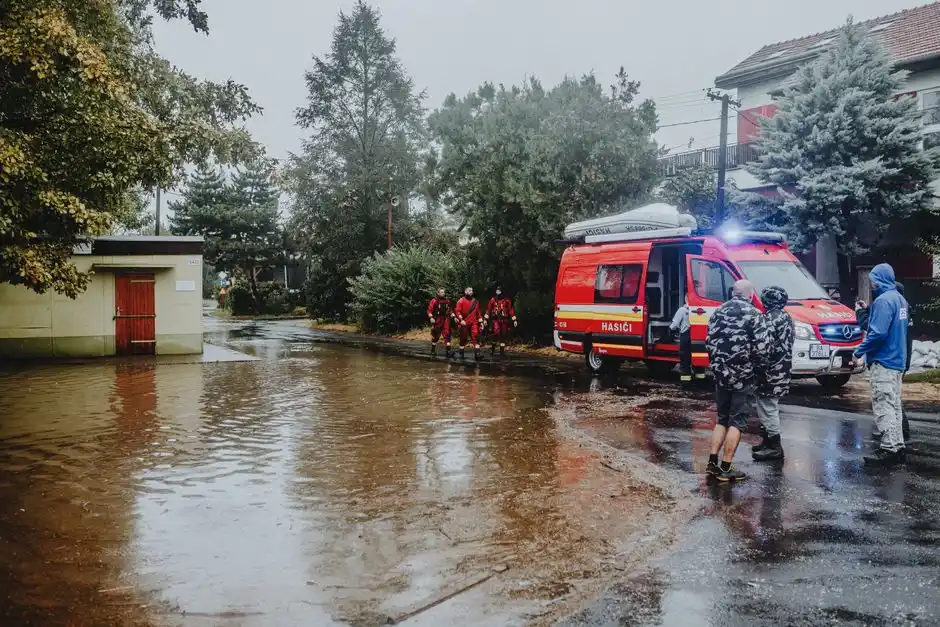 emergency water removalCeiling leaks that are still actively dripping need emergency water removal first. We extract standing water, contain the spread, and stop further damage before ceiling repair begins.Explore →
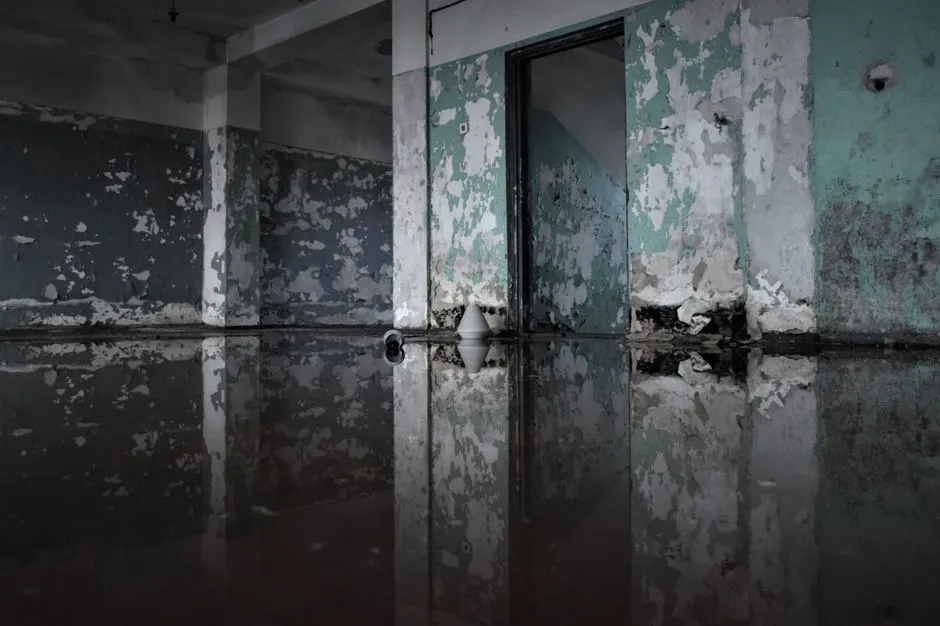 mold remediation after water damageCeiling cavities in Woodland Hills hit mold-friendly humidity fast. Our mold remediation after water damage uses HEPA vacuuming, antimicrobial spray, and clearance testing before we close the ceiling back up.Explore →
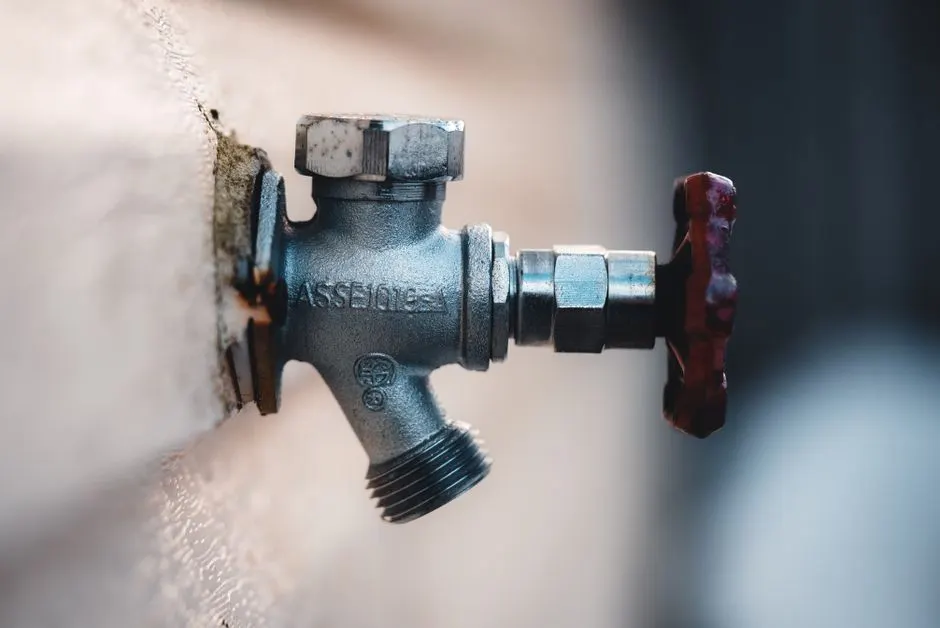 water leak restorationIf the source is a slab leak, pipe burst, or supply line failure, water leak restoration addresses the plumbing-side damage and the ceiling damage in one coordinated scope.Explore →
 emergency water cleanupEmergency water cleanup handles the immediate mess - wet insulation, dripping drywall, soaked carpet - so ceiling water damage repair can start on a dry, stable surface.Explore →
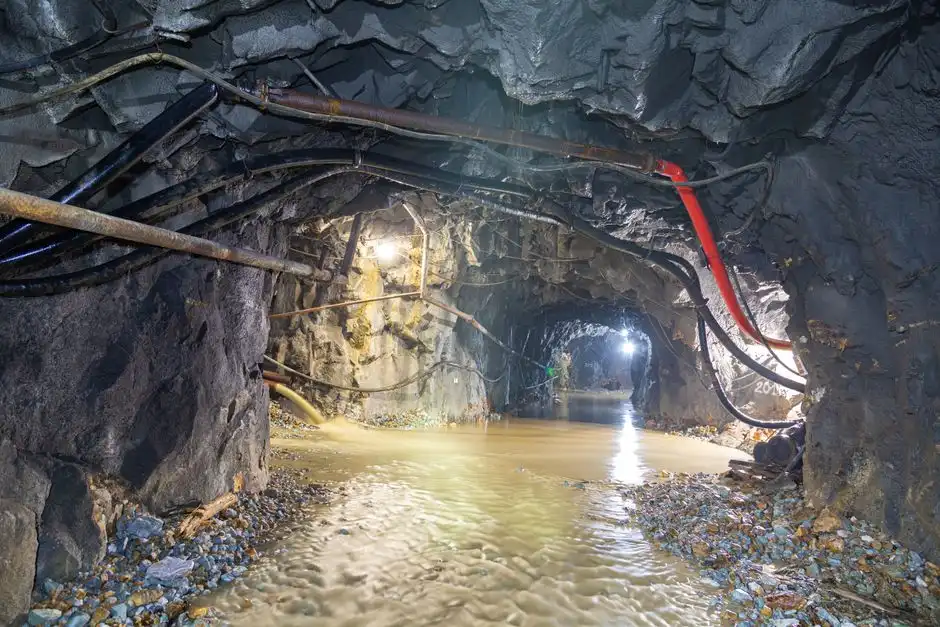 water extractionWhen water pools in the ceiling cavity or drips into a bucket for hours, water extraction pulls it out with truck-mounted units before it wicks into framing and joists.Explore →
 water damage mitigationWater damage mitigation stops the spread - plastic sheeting, vapor barrier, containment - so a single ceiling leak does not become a whole-floor problem.Explore →
 toilet overflow cleanupAn upstairs toilet overflow in a Warner Center condo often shows up as a downstairs ceiling stain. We handle both floors in one visit, including the ceiling rebuild.Explore →
We answer the phone 24/7, dispatch a tech in 60 to 90 minutes, and give you a written scope before any work begins. Licensed, insured, and IICRC-certified. Call now and we will stop the damage before it spreads.
Call Now (833) 321-7153 →If you have water where it should not be, call us at (833) 321-7153. We answer 24/7 and our average response time in Woodland Hills is 60 to 90 minutes. You can also email us at info@waterdamagerestorationwoodlandhills.com or stop by our office on Ventura Boulevard. We are here to help.