How to shut off your water main during a pipe burst
A pipe burst in Woodland Hills? Find your shut-off valve fast, stop the water, and prevent costly damage with this step-by-step emergency guide.
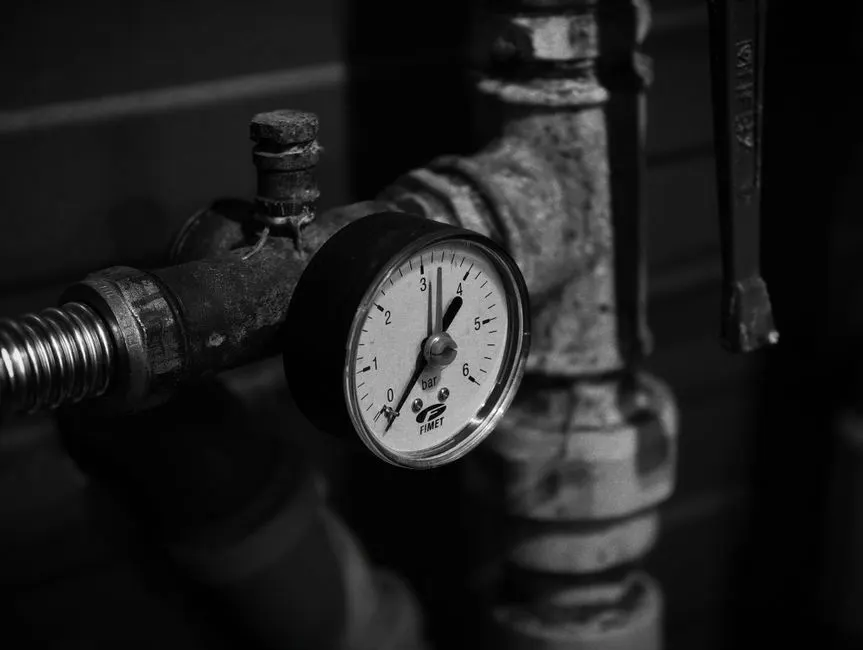
To shut off your water main during a pipe burst in Woodland Hills, California, locate the main shut-off valve-usually at the street curb or where the water line enters your home-and turn it clockwise until it stops. If you can't find it, call the Los Angeles Department of Water and Power (LADWP) at 1-800-DIAL-DWP to shut off water at the meter. This guide walks you through finding your valve, shutting it down fast, and handling the aftermath so water damage doesn't spread.
We're Water Damage Restoration Woodland Hills, and we've seen hundreds of pipe bursts across the San Fernando Valley. The homeowners who act in the first five minutes save thousands. Here's exactly how to do it.
Find Your Water Main Shut-Off Valve Before You Need It
Your water main shut-off valve location in Woodland Hills homes is almost always one of two places: outside at the curb near the street, or inside where the main line enters the house-typically in the garage, basement, or a utility closet. Knowing this before a pipe bursts saves precious minutes.
Start by walking your property line. Look for a concrete or plastic box set flush with the ground near the sidewalk. That's the curb stop valve, owned by LADWP. You'll need a water meter key-a long T-handle tool available at any hardware store for about $15-$25-to open the lid and turn the valve. Keep one in your garage.
Inside, trace the main water line from where it enters your home. In most Woodland Hills houses built between the 1950s and 1980s, the shut-off valve is a gate valve (round handle) or ball valve (lever handle) on the incoming line. Ball valves are quarter-turn; gate valves require multiple turns. Test yours twice a year so it doesn't seize.
If you live in a condo or apartment, your unit may have its own shut-off valve under a kitchen or bathroom sink, but the building's main valve is usually in a shared utility room. Ask your HOA or property manager where it is before an emergency.
For homeowners in Water Damage Restoration in Warner Center, many high-rises have per-floor shut-off valves in utility closets. Know which one controls your unit.
Step-by-Step: How to Shut Off the Water Main During a Pipe Burst
When a pipe bursts, every second counts. Follow these steps in order-don't skip ahead.
- Turn off the main valve immediately. If you have a ball valve, turn the lever 90 degrees clockwise. For a gate valve, turn the round handle clockwise until it stops. If you can't find it, go to the curb stop and use your meter key.
- Open the lowest faucet in the house. This drains remaining water from the pipes and reduces pressure. A basement sink or outdoor spigot works best.
- Shut off the water heater. If your water heater is gas, turn the dial to "pilot." If electric, flip the breaker. This prevents the heating element from burning out when the tank empties.
- Kill the electricity to affected areas. If water is near outlets or appliances, turn off breakers for those rooms at your electrical panel. Don't stand in standing water while doing this.
- Call a plumber and your insurance company. A licensed plumber can repair the burst pipe. Your insurer needs to know within 24-48 hours to process a claim.
If the burst pipe is in a hard-to-reach area-behind a wall, under a slab, or in a crawl space-you may need to shut off water at the curb and call a professional. We handle water leak restoration in Woodland Hills, California for exactly these situations, including slab leaks that don't show obvious signs until damage is done.
What to Do After You Shut Off the Water
Once the water is off, your priority shifts to limiting damage. Standing water can soak drywall, warp floors, and spawn mold in as little as 24-48 hours.
Start by documenting everything. Take photos and video of the burst pipe, water damage, and any ruined belongings. Your insurance adjuster will need this. Then move furniture, rugs, and electronics away from wet areas.
Use towels, buckets, and a wet/dry vacuum to remove as much standing water as you safely can. If the water is more than an inch deep or has spread across multiple rooms, call a professional water extraction in Woodland Hills, California team. We use truck-mounted pumps that remove hundreds of gallons in under an hour.
Run dehumidifiers and fans if you have them. But don't rely on household fans alone-professional drying equipment reaches inside walls and under floors where air can't circulate.
Watch for these signs that water has spread further than you think:
- Bubbling or peeling paint on walls or ceilings
- Soft or spongy spots in flooring
- A musty smell within 24 hours
- Warped baseboards or door frames
If you notice any of these, call us. We offer emergency water removal in Woodland Hills, California 24/7 and can be on-site within the hour.
Common Mistakes to Avoid During a Pipe Burst Emergency
Even experienced homeowners make mistakes when water is spraying. Here are the ones we see most often.
Not knowing where the shut-off valve is. This is the number one cause of extended damage. Find it today, not when water is pouring through your ceiling.
Turning the valve the wrong way. All main shut-off valves close clockwise. If it won't budge, don't force it-you risk breaking the valve and making the leak worse. Call LADWP or a plumber.
Using the water heater shut-off instead of the main. The valve on your water heater only stops water from entering the tank. It won't stop a burst pipe elsewhere in the house.
Waiting to call for help. Water damage compounds. What starts as a wet carpet becomes a mold problem, then a structural issue. The sooner you get professional help, the less you'll pay.
Ignoring the electrical risk. Water and electricity don't mix. If you're unsure whether it's safe to enter a flooded area, stay out and call us. We handle water damage mitigation in Woodland Hills, California and coordinate with electricians when needed.
How to Prevent Pipes from Bursting in Woodland Hills
Woodland Hills sees summer highs over 100°F and winter overnight lows that occasionally dip into the 30s. That temperature swing stresses pipes, especially older galvanized steel and copper lines common in homes built before 1980.
Here's how to reduce your risk:
- Insulate exposed pipes in the garage, attic, and crawl space. Foam pipe insulation costs about $1-$3 per linear foot.
- Disconnect garden hoses before the first cold snap. Water trapped in the hose bib can freeze and crack the pipe behind it.
- Let faucets drip during freezing nights. A slow drip relieves pressure inside the pipes.
- Replace old galvanized pipes. If your home still has them, they're likely corroded and prone to bursting. A repipe typically runs $4,000-$15,000 depending on home size.
- Install a water leak detection system. Smart shut-off valves like Flo by Moen or Phyn automatically close the main when they detect abnormal flow. They cost $500-$800 installed and can save you tens of thousands in damage.
If you live in an older neighborhood like Water Damage Restoration in Woodland Hills Core, where many homes date back to the 1960s, a proactive inspection is worth it. We can check for weak points before they fail.
When to Call a Professional
Call a professional if the burst pipe is behind a wall, under a slab, or in a crawl space-or if water has spread beyond one room. Those situations require specialized equipment and often a licensed plumber to repair the line.
You should also call us if you see any of these:
- Water has been sitting for more than 12 hours
- You smell mold or mildew
- Drywall or flooring is soft, sagging, or discolored
- Your insurance company needs a professional damage assessment
We're Water Damage Restoration Woodland Hills. Our team handles everything from emergency water extraction to full structural drying and mold prevention. We work directly with your insurance adjuster to streamline the claim.
Frequently Asked Questions
Where is my water main shut off valve in Woodland Hills?
In most Woodland Hills homes, the main shut-off valve is either at the street curb (in a concrete box) or inside where the water line enters the house-usually the garage, basement, or utility closet. Condos may have a unit valve under a sink plus a building main in a shared utility room.
What should I do if a pipe bursts in my Woodland Hills home?
Shut off the main water valve immediately, then open the lowest faucet to drain remaining water. Turn off the water heater and electricity to affected areas. Call a plumber and your insurance company within 24 hours. If water has spread, call a restoration company for extraction and drying.
How do I shut off water to my house in Woodland Hills California?
Find your main valve at the curb or where the line enters your home. Turn it clockwise until it stops. If it's a ball valve, a quarter-turn is enough. If you can't locate it, call LADWP at 1-800-DIAL-DWP to shut off water at the meter.
Can I prevent pipes from bursting in Woodland Hills?
Yes. Insulate exposed pipes, disconnect garden hoses before winter, let faucets drip on freezing nights, and replace old galvanized lines. A smart leak detection system ($500-$800 installed) can automatically shut off your water when it senses a burst.
How much does emergency pipe burst repair cost in Woodland Hills?
Typical 2026 pricing for emergency pipe repair in Woodland Hills runs $150-$500 for the plumbing fix, depending on access and pipe material. Water damage restoration-extraction, drying, and repairs-can add $1,500-$10,000 or more depending on how much water spread and how long it sat.
Get Help with Water Damage Restoration in Woodland Hills
A burst pipe is stressful, but you don't have to handle the aftermath alone. We're available 24/7 to extract water, dry your home, and prevent mold-so you can get back to normal faster.
Call us now at (833) 321-7153 for immediate assistance.