Emergency water removal in Woodland Hills: how to choose a 24-hour company
A practical guide to picking a 24-hour emergency water removal company in Woodland Hills, California - response times, licensing, pricing, and what to ask before you sign.
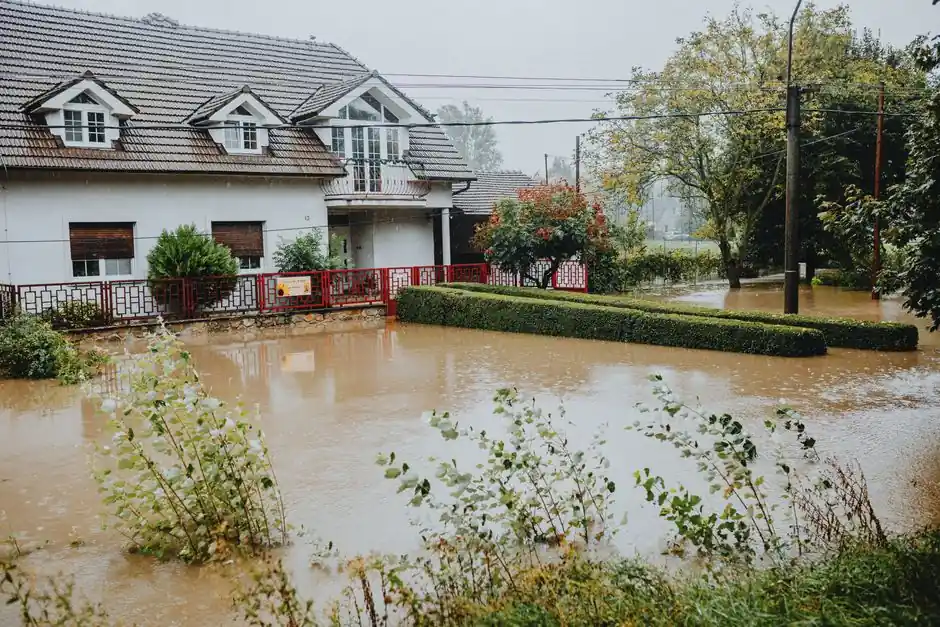
Choose a 24-hour emergency water removal company in Woodland Hills by confirming four things before you sign anything: a live dispatcher who answers at 3 a.m., a 60-minute-or-less arrival window, a California contractor license you can verify on the CSLB website, and a written scope with pricing before extraction starts. Everything else - truck count, drying equipment, insurance billing - is secondary to those four.
Water in a Woodland Hills home spreads faster than most people expect. A half-inch supply line failure can push 10 to 15 gallons per minute into a room, which means a 1,200-square-foot downstairs area can be under an inch of water in under 20 minutes. This guide walks through how to vet a 24-hour crew, what to ask on the phone, what 2026 pricing looks like in the San Fernando Valley, and the mistakes that turn a $2,000 extraction into a $14,000 rebuild.
What "24-hour" actually means in Woodland Hills
A 24-hour water removal company in Woodland Hills is a licensed restoration contractor that staffs its own dispatchers and technicians overnight, not an answering service that forwards your call to a call center in another state. That distinction matters at 2 a.m. when your water heater lets go and you need someone physically driving to your address.
Plenty of companies advertise "24/7" and then route after-hours calls to a national lead broker. You call, a polite agent takes your information, and 40 minutes later a subcontractor you have never heard of shows up in an unmarked truck. That subcontractor may be excellent, or may be working out of a van with a wet-vac and no drying plan. You have no way to know at 2 a.m.
The test is simple. Call the number at 11 p.m. on a Tuesday and ask two questions: "Are you the dispatcher or an answering service?" and "What is the physical address your trucks leave from?" A real local company answers both without hesitation. A broker stalls.
For homeowners across the west Valley, our own Water Damage Restoration crews run out of the Woodland Hills area and cover the 91364 and 91367 ZIP codes overnight, which is why we can usually give you a real arrival window instead of "sometime in the next few hours."
How fast should a 24-hour water removal company respond in Woodland Hills?
A legitimate 24-hour water removal company in Woodland Hills should arrive within 60 minutes of your call during normal traffic, and within 90 minutes during the 4 to 7 p.m. window when the 101 and Ventura Boulevard are gridlocked. Anything past two hours means you are losing the drying battle before the equipment even shows up.
Here is why the clock matters so much. Mold germination on wet drywall and framing starts within 24 to 48 hours in Southern California's typical indoor humidity. Once colonies establish, the job shifts from extraction and drying to demolition and remediation, and the price roughly doubles. Every hour you spend comparing quotes is an hour the water is wicking up your baseboards and into the wall cavity.
Response time also depends on where in Woodland Hills you live. A crew staged near Warner Center can reach a condo on Owensmouth in 10 minutes but may need 25 to 30 minutes to get up into the hills south of the Boulevard, where narrow winding streets and limited parking slow everything down. When you call, ask the dispatcher to name the nearest cross street to your address and estimate from there - not from a generic "Woodland Hills" center point.
If you are in one of the hillside neighborhoods, mention it. Our teams working on Water Damage Restoration in South of the Boulevard know to bring smaller extraction units and extra hose because driveway access is tight and some properties sit on slopes where water runs downhill into garages and lower levels.
Licensing, insurance, and the paperwork that protects you
In California, any company performing water damage restoration work over $500 must hold a valid contractor license issued by the Contractors State License Board (CSLB). You can verify any license number in about 30 seconds at cslb.ca.gov. If a company cannot give you a license number on the phone, hang up.
Ask for three things before work begins:
- CSLB license number - verify it yourself, do not take a photo of a card as proof.
- General liability insurance certificate - minimum $1 million per occurrence is standard for restoration work.
- Workers' compensation coverage - if a technician is injured on your property and the company is uninsured, your homeowner policy can be exposed.
You should also confirm the company carries IICRC-certified technicians. The IICRC (Institute of Inspection, Cleaning and Restoration Certification) sets the S500 standard for water damage restoration, which is the industry benchmark for how many air movers and dehumidifiers a given square footage requires. A crew that has never heard of the S500 is guessing.
Questions to ask before you let anyone start extracting
Ask these questions in this order on the phone. The answers tell you more than any website or review page.
- "What is your license number?" - Write it down and verify it later.
- "How long until a technician is at my door?" - Get a specific window, not "soon."
- "What is the after-hours call-out fee?" - Expect $150 to $350 in the Woodland Hills market in 2026. Some companies waive it if you proceed with the full job.
- "Will you give me a written scope and price before extraction starts?" - The answer must be yes.
- "Do you bill my insurance directly, or do I pay upfront and get reimbursed?" - Most full-service restoration companies bill carriers directly. If they want a $5,000 check before they unload the truck, walk away.
- "How do you determine when the structure is dry?" - The correct answer involves daily moisture readings with a calibrated meter and thermal imaging, not "when it looks dry."
- "Will you handle the mold if it shows up?" - If they say no, you will be hiring a second contractor in two weeks.
One more question worth asking: "Do you do the rebuild, or just the dry-out?" Some companies extract and dry and then hand you off to a separate general contractor for drywall, paint, and flooring. That is fine, but you should know it upfront so you are not surprised by a second invoice.
What emergency water removal costs in Woodland Hills in 2026
Typical 2026 pricing in this area runs $1,800 to $4,500 for a single-room extraction and dry-out, $4,500 to $9,000 for a multi-room or Category 2 (gray water) job, and $10,000 and up when sewage, slab leaks, or mold remediation are involved. Those ranges assume a licensed local company, not a handyman with a shop vac.
Here is how the line items usually break down:
- Emergency call-out and initial assessment: $150 to $350
- Water extraction (per room, up to 300 sq ft): $400 to $900
- Air movers and dehumidifiers (per day, per unit): $35 to $75
- Daily monitoring visits: $75 to $150 per visit
- Antimicrobial application: $200 to $600
- Drywall removal and disposal (per linear foot): $8 to $18
A standard dry-out runs three to five days. If a company tells you it will be done in 24 hours, they are either not using enough equipment or planning to leave wet material in the walls. If they tell you it will take three weeks, they are padding the drying equipment rental.
Category matters more than square footage. Category 1 is clean supply-line water. Category 2 is washing machine discharge or toilet overflow with urine (no solids). Category 3 is sewage, ground-surface water, or anything that has sat more than 48 hours. Category 3 always requires removal of affected porous materials - carpet, pad, drywall - no exceptions. If a company offers to "save the carpet" on a Category 3 job, they are cutting corners you will pay for later.
For toilet-related losses specifically, our crews handle toilet overflow cleanup in Woodland Hills, California under Category 2 or 3 protocols depending on the source, and we pull and dispose of contaminated carpet rather than trying to dry it in place.
Common mistakes homeowners make during a water emergency
The biggest mistake is waiting until morning to call. Water damage is not a business-hours problem. A pipe that bursts at 10 p.m. and gets addressed at 8 a.m. has had 10 hours to soak into subfloor, wall cavities, and the ceiling of the room below. That is the difference between a $2,500 extraction and a $12,000 rebuild.
Other mistakes we see regularly:
- Shutting off the water but not the power. If water is anywhere near outlets or the electrical panel, kill the breaker before you wade in.
- Using a shop vac on Category 3 water. Sewage-contaminated water carries bacteria and pathogens. A shop vac spreads them and contaminates the machine.
- Running a household fan and calling it drying. Box fans move air but do not remove moisture. You need dehumidifiers pulling gallons of water out of the air per day, plus moisture meters to confirm progress.
- Accepting a verbal estimate. Get the scope in writing with line items before extraction begins.
- Signing a work authorization that assigns your insurance benefits without reading it. Some contracts include a Direction to Pay that routes your entire claim to the contractor. That is legal in California but you should know you are signing it.
- Throwing away damaged items before the adjuster sees them. Photograph everything first, including the pile on the curb.
One more: do not assume your homeowner policy covers the cause. A sudden pipe burst is usually covered. A slow leak you noticed six months ago and ignored is usually not. Flood from outside the home is almost never covered under a standard HO-3 policy - that requires separate flood insurance through the NFIP or a private carrier.
When to call a professional
Call a professional the moment water touches anything beyond a bath mat. If the wet area is larger than about 10 square feet, if it reached drywall, carpet pad, or subfloor, if it came from a toilet or any drain, or if you cannot identify the source within 15 minutes, you need a licensed crew with extraction equipment and moisture meters.
Small, clean-water spills you can handle yourself: a glass of water on hardwood, a small leak under the sink you catch immediately and wipe up. Anything else, call. Water Damage Restoration Woodland Hills runs 24-hour emergency dispatch for the 91364, 91367, and 91303 ZIP codes, and our technicians arrive with truck-mounted extraction units, thermal cameras, and enough drying equipment to start the job on the first visit rather than scheduling a return trip.
If you are not sure whether the situation warrants a call, call anyway. A 10-minute phone assessment costs nothing, and the worst outcome is that we tell you to put a fan on it and monitor for 24 hours.
Frequently Asked Questions
How do I choose a 24-hour water removal company in Woodland Hills, California?
Verify four things: a live overnight dispatcher (not an answering service), a 60-minute arrival window, a CSLB license number you can check online, and a written scope with pricing before extraction begins. Ask for the physical address their trucks leave from - a real local company answers instantly.
What should I ask an emergency water removal company in Woodland Hills?
Ask for their license number, after-hours call-out fee, arrival window, whether they bill insurance directly, how they confirm the structure is dry, and whether they handle mold if it appears. Get the scope and price in writing before anyone starts extracting. Expect a $150 to $350 call-out fee in 2026.
How fast should a 24-hour water removal company respond in Woodland Hills?
Within 60 minutes in normal traffic, 90 minutes during the 4 to 7 p.m. rush on the 101 and Ventura Boulevard. Anything past two hours means mold risk climbs sharply - germination starts within 24 to 48 hours on wet drywall and framing in typical Southern California indoor humidity.
Are 24-hour water removal companies in Woodland Hills licensed?
They must be. California requires a CSLB contractor license for restoration work over $500. Verify the number at cslb.ca.gov before work starts, and ask for a $1 million general liability certificate plus workers' compensation coverage. An unlicensed crew leaves you exposed if someone is injured on your property.
Does homeowner insurance cover emergency water removal in Woodland Hills?
Sudden and accidental discharge - burst pipe, failed water heater, washing machine hose - is usually covered, including extraction and drying. Slow leaks you knew about, groundwater flooding, and sewer backup (unless you added the endorsement) typically are not. Call your carrier before you sign anything with a contractor.
Get help with Water Damage Restoration in Woodland Hills
Water does not wait for business hours, and neither do we. Our licensed technicians are on call 24 hours a day across Woodland Hills and the west San Fernando Valley, with truck-mounted extraction and drying equipment ready to roll the moment you call.
Call (833) 321-7153 now and we will give you a real arrival window, a written scope, and a price before we start.